

Understanding the Iceberg Model of Organisational Culture


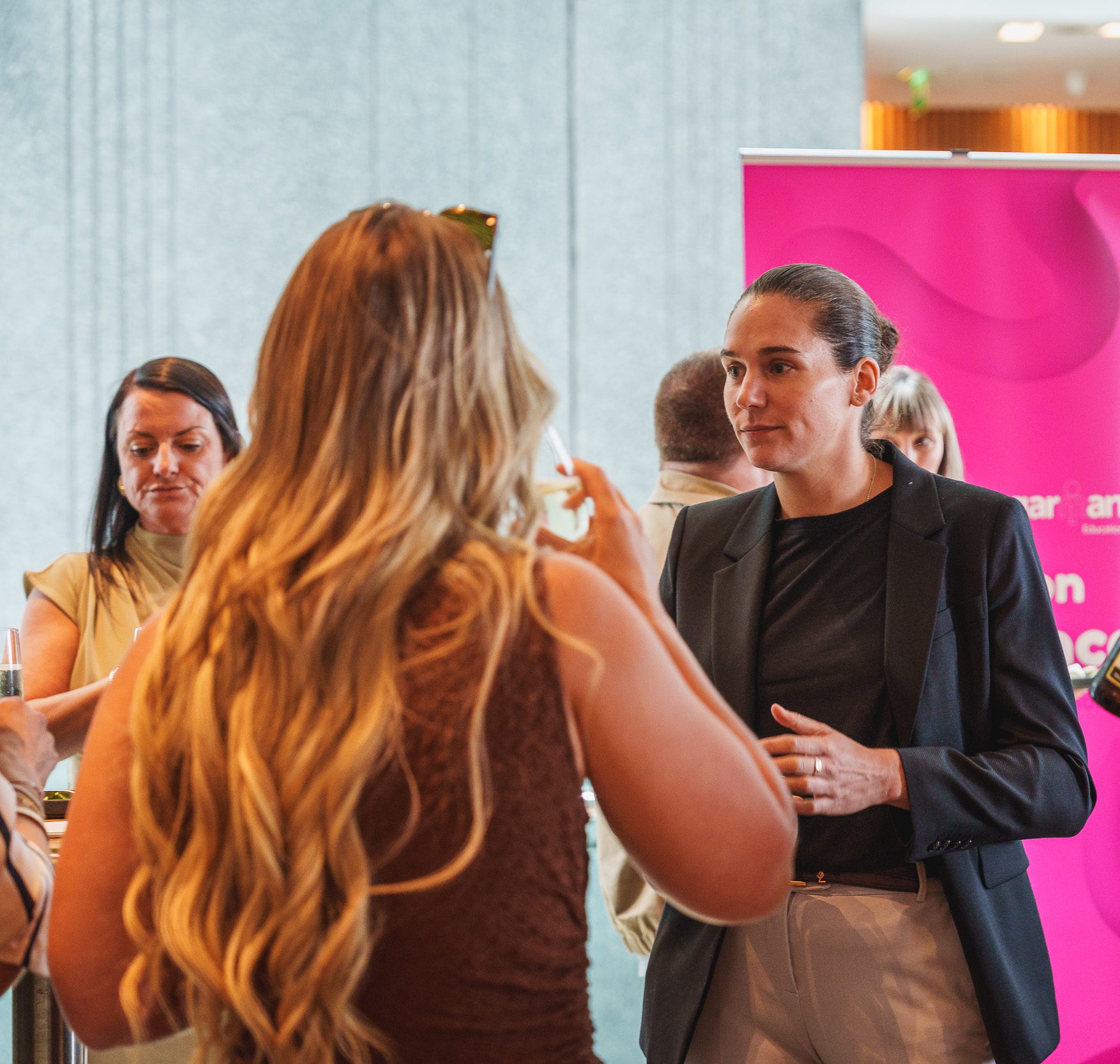
A few weeks ago, I was one of 25 leaders invited to attend Indeed’s Staffing Alliance, a collaborative event aimed at shaping how the platform better supports staffing agencies.


During the event guest speaker, Rebecca Levett, delivered a powerful talk on the Iceberg Model of Culture, a concept that explores the contrast between the visible aspects of organisational culture and the deeper, often unseen elements that define it. The ‘deep culture’ lies beneath the surface; it’s invisible, yet it influences everything. Ideally, the culture you observe in your organisation should be a reflection of this deeper foundation.


Why Culture Is Central to Recruitment Success


Culture is not just a buzzword. It’s central to how our organisations operate and the quality of service we deliver to both clients and candidates. It informs our decision-making, shapes our behaviours, and increasingly, it plays a critical role in attracting talent.


How Candidate Expectations Have Evolved


Fifteen years ago, I joined Monarch Education, one of Affinity’s sub-brands, as a Recruitment Consultant. Back then, I could post a job advert outlining the role and its requirements on a few job boards and receive hundreds of applications. Those days are long gone.

Today, candidates are looking for more than just a job. It’s no longer solely about pay rates or benefits. People want to work for organisations whose values resonate with their own, where the culture is authentic, inclusive, and empowering. They want to be part of something meaningful. They want to thrive.

Embedding Deep Culture Through Purpose-Driven Initiatives


At Affinity Workforce, we’ve recently launched our Transforming Lives. Shaping Futures initiative. This initiative is designed to ensure that everything we do gives back to the education sector, whether it’s the schools we support, the candidates we place, or the employees we nurture. It’s about making a lasting impact in education.


This initiative is helping us deepen the culture we’re embedding across our businesses. It’s about creating a shared purpose and moving away from a transactional model to one where we are a trusted partner to our clients, delivering a service that is both meaningful and impactful.


Whether you work in education, recruitment, or any other sector, the principle of adding meaningful value is universal. You can post a job advert listing the benefits, responsibilities, and pay, and you might receive a handful of applications. But if you tell a compelling story, one that communicates your organisation’s purpose, vision, and values you’ll attract a different calibre of candidate. One who is aligned with your mission and invested in your success.

Final Thoughts: Making Deep Culture Visible


I encourage every leader to take a step back and reflect. Can you clearly identify the ‘deep culture’ of your organisation? And more importantly, are you actively promoting it in a way that supports talent attraction and retention?


Culture isn’t just what we say; it’s what we do, how we behave, and the impact we make. When deep culture is aligned and visible, it becomes a powerful magnet for the right people.