
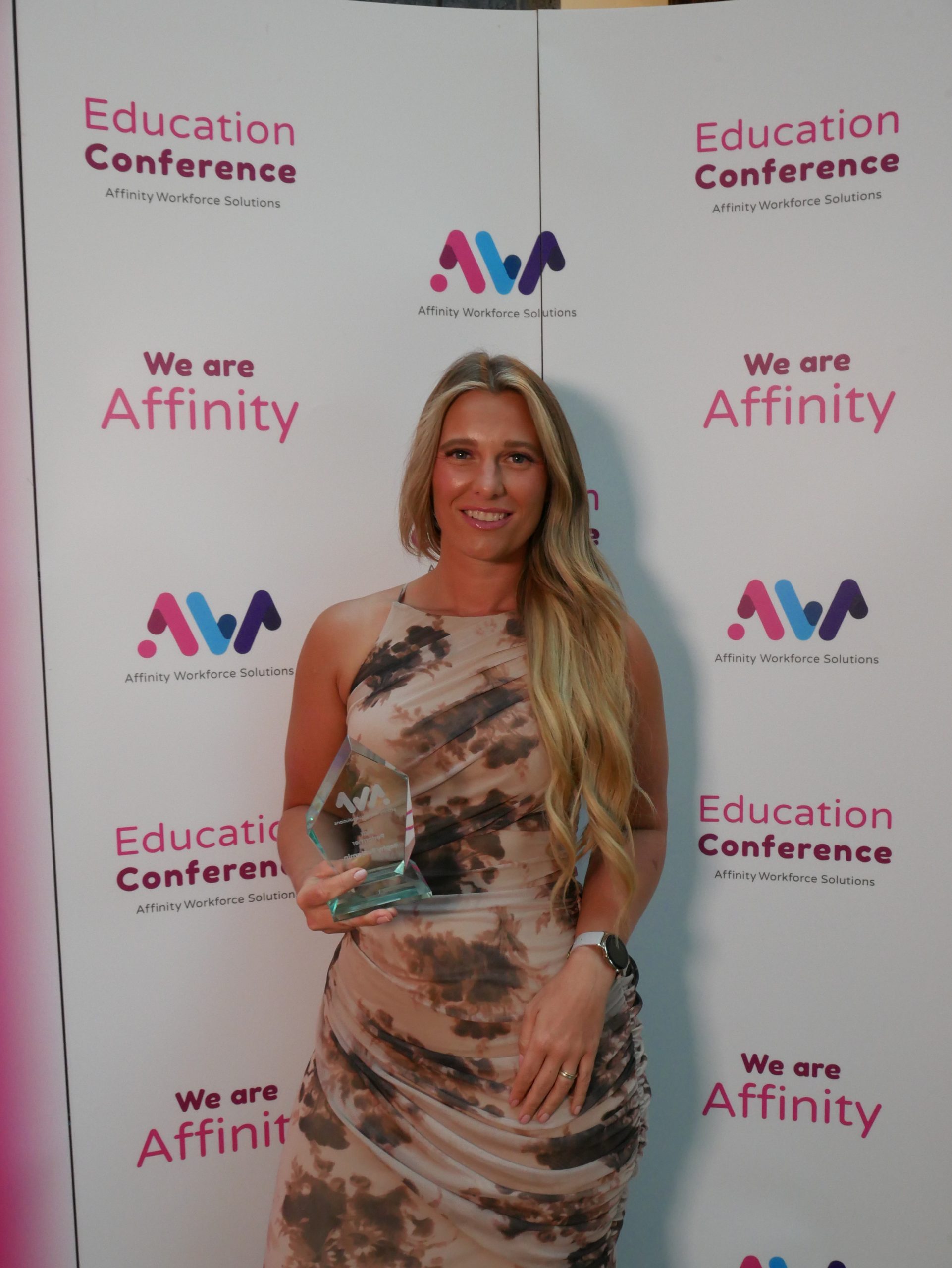
Learning at Work Week with Sophy Benjamin, Learning & Development Manager at Affinity Workforce


This month marks my 10-year anniversary with the Affinity Workforce business, something I’m incredibly proud of. Over that time, and particularly in my role as Learning & Development Manager over the past three years, I’ve learned a huge amount about people, growth, and what learning really looks like in practice.

One of the biggest lessons I’ve taken on board is that learning doesn’t look the same for everyone. As leaders and as learning professionals, we have to adapt to different ways people absorb, retain, and apply information. Early on, this required patience from me; now, it’s something I genuinely enjoy. The variation in how individuals learn is what makes development so interesting.


Having worked across all six brands within the AWS business, I’ve also realised how much I’ve learned from others. Every team, every individual, brings a different perspective, and those shared experiences have shaped how I approach my role today.

When I first stepped into Learning & Development, I’ll admit I had concerns about standing in front of experienced professionals and “telling them how to do their job.” What I’ve since realised is, that was never my role. Learning isn’t always about instructing; it’s about facilitating. It’s about creating the right environment for people to think, share, and grow together.

I recently read Time to Think by Nancy Kline, and the concept of a “thinking environment” really resonated with me. The idea that people perform at their best when given the space, attention, and encouragement to think for themselves has had a big influence on how I approach learning sessions. Sometimes, our role is to inform and share knowledge, but just as often, it’s to bring knowledgeable people together and create space for meaningful discussion. Some of the most powerful learning happens in those moments, I’ve seen it firsthand!

The best managers, leaders, and consultants I’ve worked with all share one common trait: a willingness to listen and learn. They approach every interaction as an opportunity to grow. That mindset has become increasingly important to me and is one I share often with others. I believe everyone should stay open to learning, no matter how big or small the lesson may be.

I’ve learned often through my own experiences that confidence, not capability, is often the biggest barrier to learning and development. I’m currently studying a coaching qualification, and it’s reinforced the importance of curiosity and questioning. Instead of providing answers, I now often ask: What do you think? How would that impact your desk? These kinds of questions empower people to find their own solutions and more often than not, they already have the answers. What they sometimes lack is the confidence to trust them.

Building that confidence is key in any learning environment. Creating spaces where people feel comfortable contributing, asking questions, or even getting things wrong is essential. Imposter syndrome is something I’ve experienced myself, and I see it in others too, particularly when people step into something new. I regularly work with teachers and professionals joining our business who go from being experts in their field to feeling like beginners overnight. I admire that courage, because I’ve felt it too.

When I moved into Learning & Development, I understood recruitment, but learning was new territory. Over the past three years, I’ve developed skills in delivering engaging sessions, designing content, and building learning strategies. More importantly, I’ve grown in confidence and self-awareness. I’ve learned that my biggest challenge has often been my mindset, not my ability.

Now, I can honestly say I love learning more than I ever have. Not just delivering it but being part of it. Continuous development is not about having all the answers; it’s about staying open, staying curious, and being willing to grow.

And for me, that’s what learning at work is really all about.

To explore current vacancies with Affinity Workforce, please visit our jobs page.